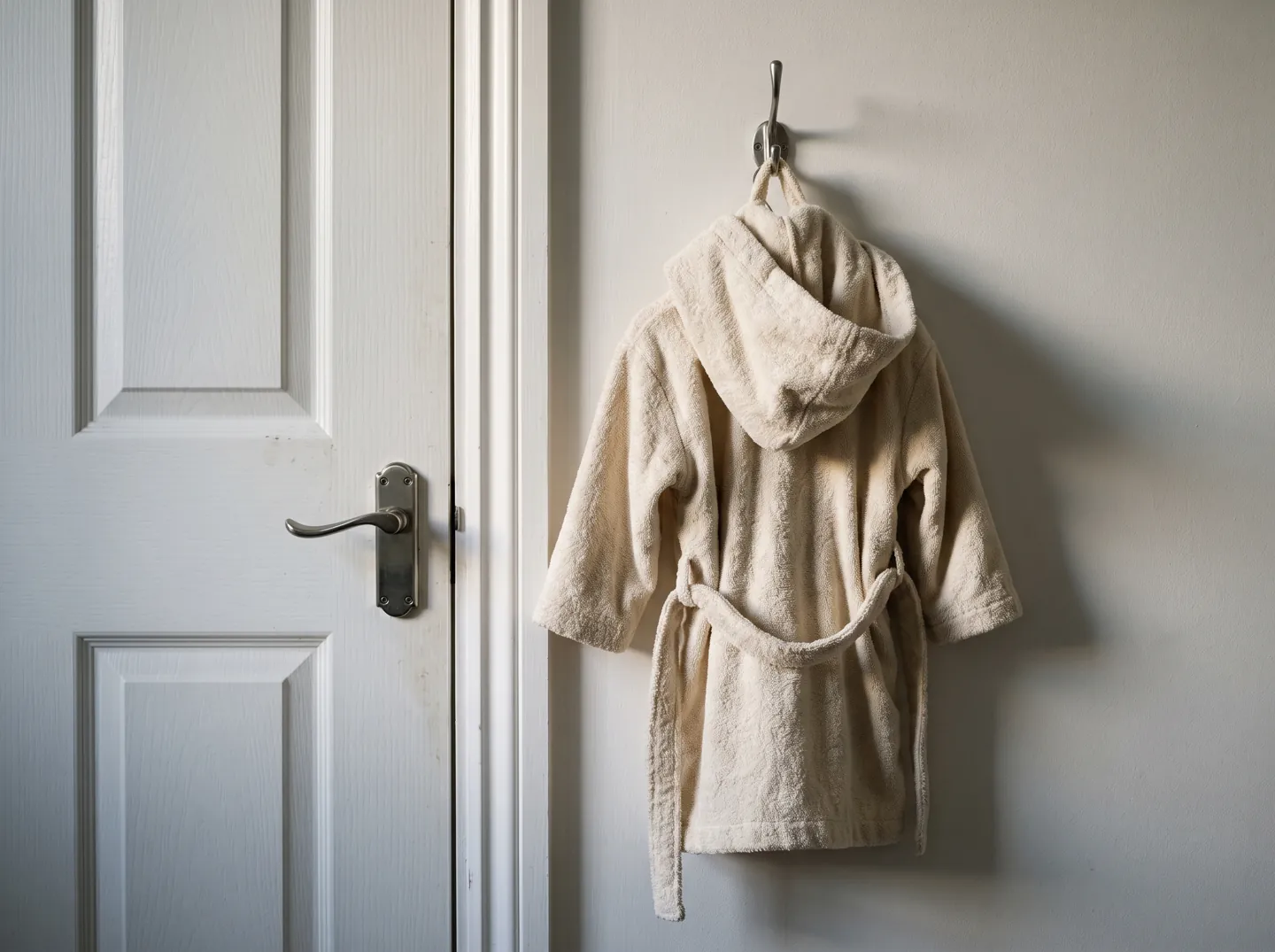
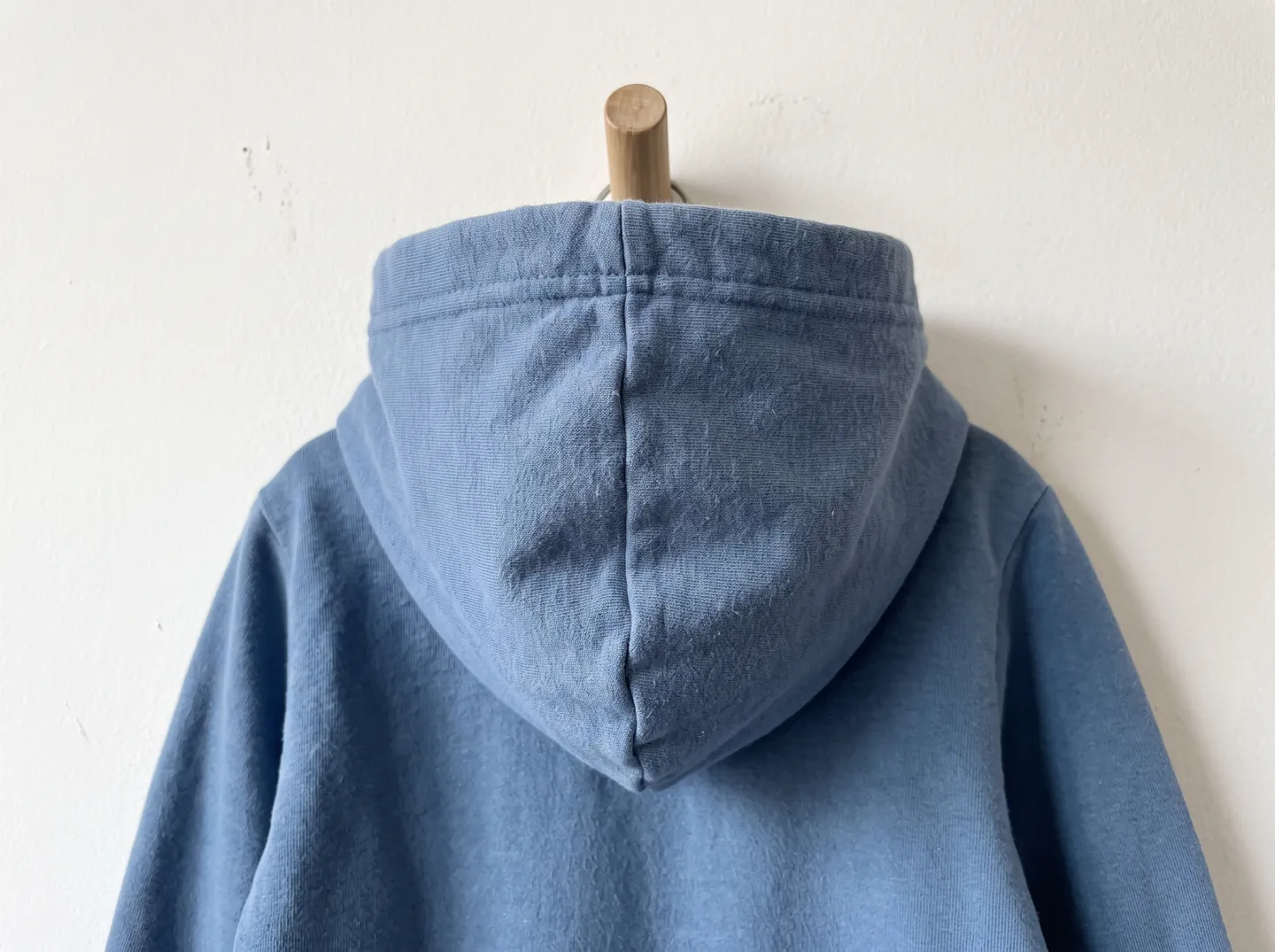
A bow tied at the throat or a cord on a hood can catch on a cot, a slide or a bus door. UK product rules and a European safety standard set clear limits for cords on children's clothes, and the law sets fire labels for nightwear.
AI-generated image, not a photograph of a real person or place.
No neck cords for little ones
Short, knot-free ends
Read the nightwear label
Checks to make before you buy
THE SHORT ANSWER
Keep cords away from the neck.
Cord rules depend on the child's age. Fire labels depend on the fabric.
YOUNG CHILDREN
Nothing at the neck
Under EN 14682, garments for young children should have no drawstrings or functional cords in the head, neck or upper chest area, and no decorative cords on the hood.
Young children's heads weigh proportionately more and their windpipes are smaller and softer, so they find it harder to free themselves if a cord tangles.
General information only, not professional safety advice. If someone is in immediate danger, call the emergency services.
A QUICK LABEL CHECK
What does the nightwear label mean?
Pick the wording or garment to see what the Nightwear (Safety) Regulations 1985 require. The bar shows how much extra care the label is signalling.
Based on the Nightwear (Safety) Regulations 1985 as made. Check the current revised version on legislation.gov.uk. General information, not legal advice.
TWO NUMBERS WORTH KNOWING
Small details, strict limits.
One limit from the cord standard, one figure on how often cords are flagged.
7.5 cm
Longest free end allowed at a young child's neck or upper chest
With no knots, toggles or 3D decorations, and never placed so it can tie across the throat. Long cords on children's clothes have been banned in the UK since 1976.
DECORATIVE CORDS
63%
Share of 2019 EU clothing alerts that were for cords
Clothing, textiles and fashion items were the third most notified product type on the EU Safety Gate system, and 63% of those notices were for drawstrings or cords on children's clothes.
PRODUCT ALERTS
Source: Office for Product Safety and Standards, PRISM risk assessment example on cords and drawstrings in children's clothing (citing EN 14682:2014).
BEFORE YOU BUY
Four quick checks in the shop.
These checks follow the cord standard and the nightwear regulations. They take a few seconds with the garment in your hand.
Look at the hood and neck
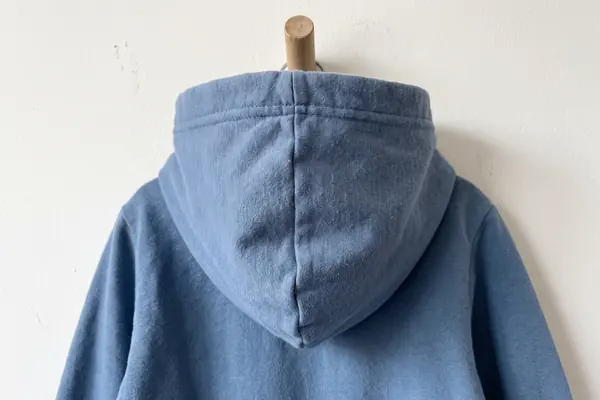
For a young child, there should be no drawstrings or functional cords there, and no decorative cords on the hood or at the back of the neck.
Measure any bows
Decorative cords elsewhere at the neck and chest should have free ends of 7.5 cm or less, with no knots or toggles.
Find the nightwear label
It is usually inside the neck or next to the size label. Look for the red KEEP AWAY FROM FIRE wording or the BS 5722 statement.
Keep the care label
If it says not to wash above 50°C, follow it: the fabric has been treated with flame retardant chemicals.
AI-generated image, not a photograph of a real person or place.AI-generated image, not a photograph of a real person or place.
WHERE CORDS CATCH
Cots, slides and bus doors.
For babies and toddlers the risk is often during naps in day clothes, or in a cot, bouncer, car seat or pushchair where carers assume they are safe. The Child Accident Prevention Trust says it can take just 15 seconds for a toddler tangled in a blind cord to lose consciousness.
For older children, cords and drawstrings can catch in playground equipment, escalators, automatic doors, car or bus doors, ski-lifts or bicycle wheels. The standard covers children's clothes up to the age of 14, including dressing-up costumes and skiwear.
Questions
Questions people ask
Are drawstrings on children's hoodies allowed?
For young children, the standard says there should be no drawstrings or functional cords in the hood, neck or upper chest area. Garments for older children and young people have separate requirements in the same standard.
What counts as a decorative cord?
A cord there for looks, such as a bow. On young children's clothes it must not be on the hood or back of the neck, and elsewhere at the neck its free ends must be no longer than 7.5 cm.
What does KEEP AWAY FROM FIRE on pyjamas mean?
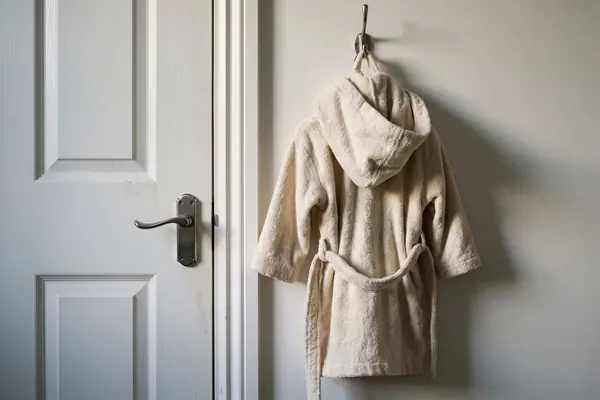
The Nightwear (Safety) Regulations 1985 require this red wording on pyjamas, babies' garments, terry bath robes and adults' nightwear made of fabric that cannot meet the flammability performance requirements.
Why can't children's nightdresses carry that label instead?
The regulations require children's nightwear other than pyjamas, babies' garments and cotton terry bath robes to be made of fabric that can meet the flammability requirements, so a warning label is not enough.
What should I do about a dummy cord?
The Child Accident Prevention Trust says no cord is safer. If you do tie a dummy to clothes, keep the ribbon shorter than 150 mm, or 6 inches.